Katarzyna Negacz
Young Researcher and Innovator Conference
Participating in the TC/ESG 2025 conference was an important and enriching experience for me, both personally and professionally. The event provided a unique platform to engage with scholars, practitioners, and artists working on transformative change and Earth System Governance from an inter and transdisciplinary perspective.
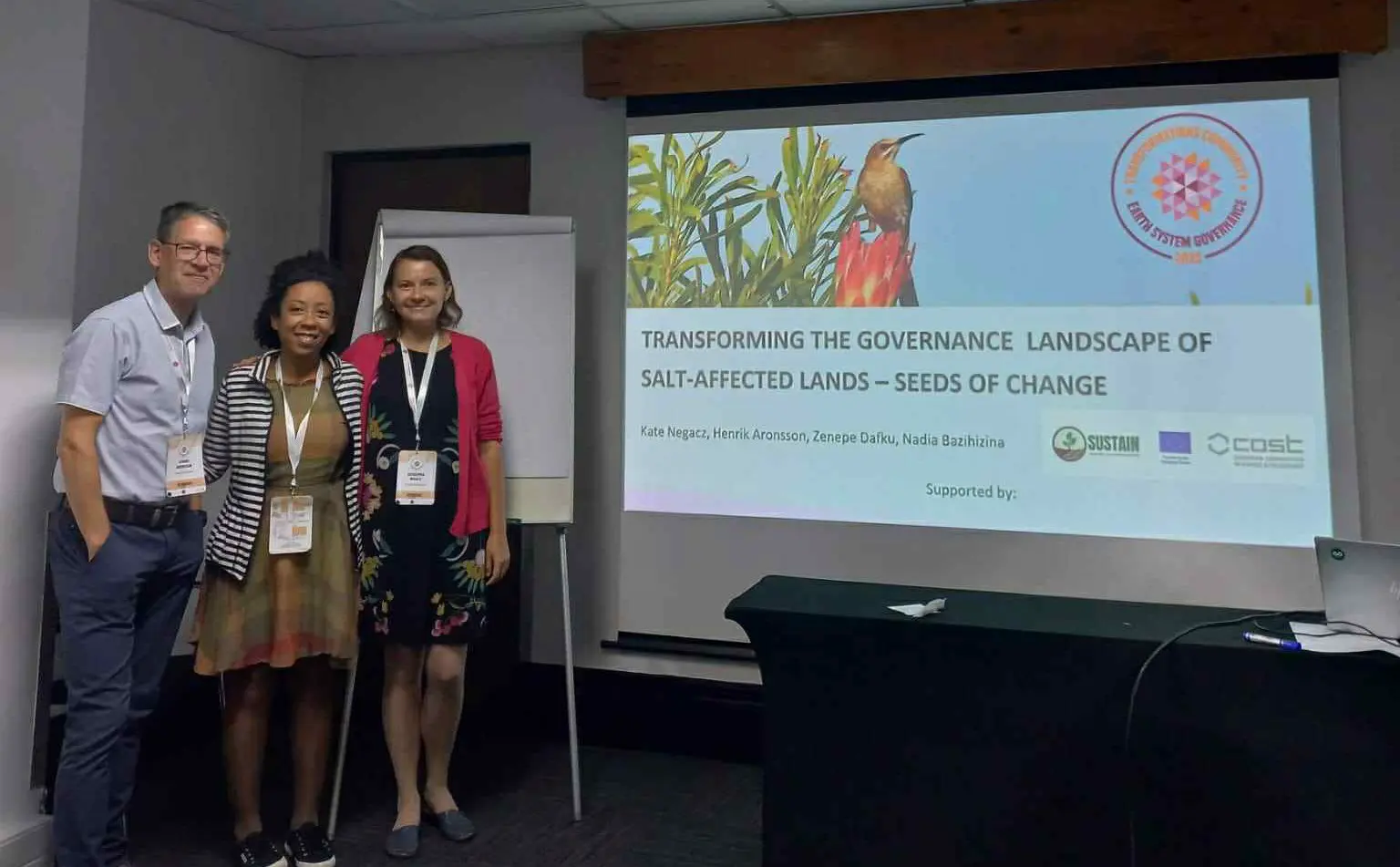
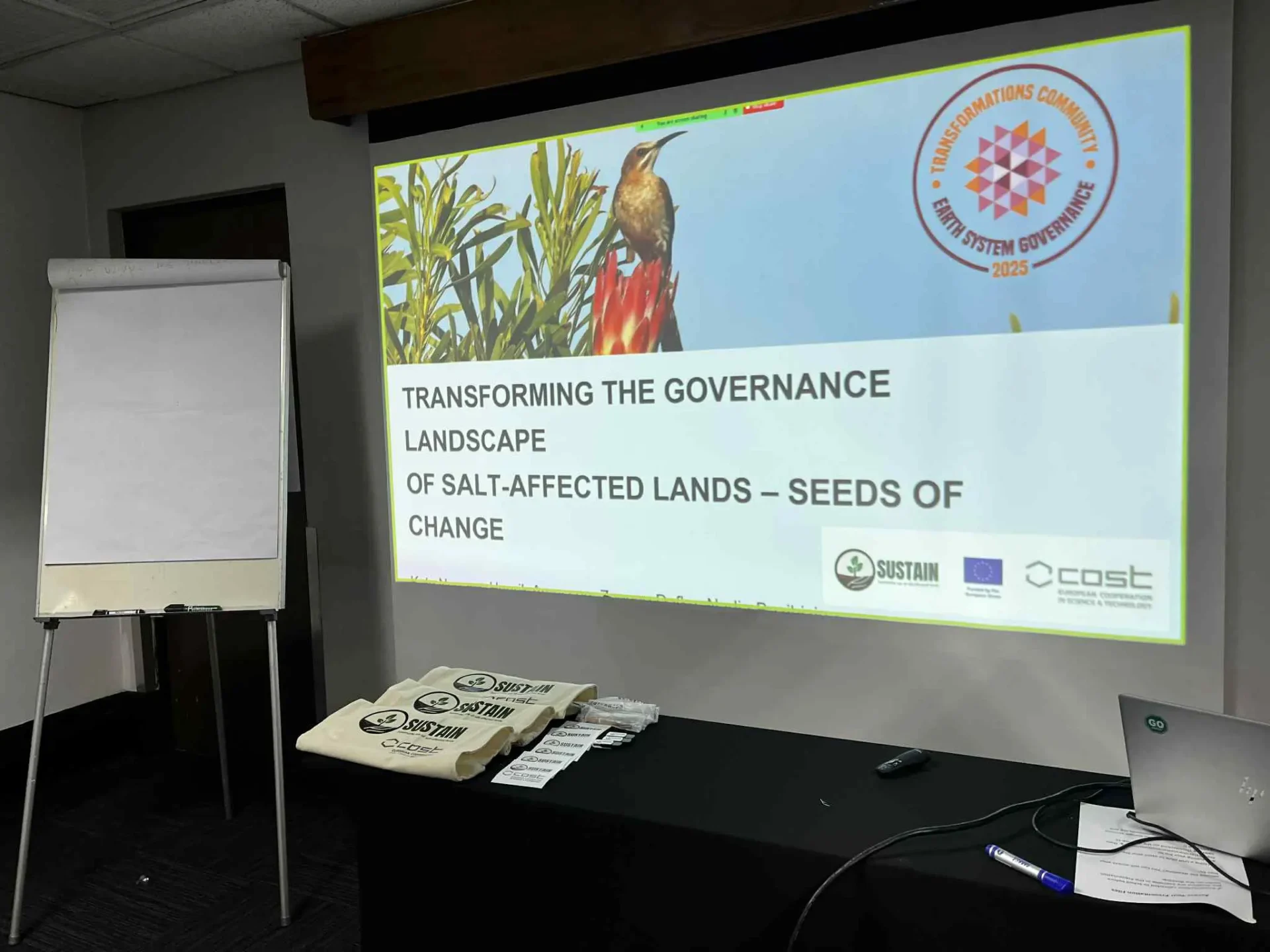
First and foremost, the conference gave me the opportunity to present our past and current work on Addressing Salinity in Sub-Saharan Africa through Research and Community Engagement in the broader context of transformative change. Framing our research within this thematic lens was particularly valuable, as it highlighted the relevance of our findings to global debates on sustainability transitions and societal transformation. The discussions following my presentation opened up new perspectives on how our future work could be positioned to influence both academic discourse and practical initiatives.
Another major benefit of attending the TC/ESG 2025 conference was the creation of new professional connections. I was fortunate to meet and interact with colleagues from South Africa, Zimbabwe, Norway, Iceland, Canada, Ghana, India, and the Netherlands, each of whom is engaged in work that resonates closely with our projects. These exchanges were not only intellectually stimulating but also highly promising in terms of potential collaboration. Several of these colleagues expressed interest in joining the COST network. Establishing these contacts is invaluable, as they open the door to joint research, co-authored publications, and potential collaborative grant applications. The diversity of perspectives—from the Global North and Global South alike—enriched my understanding of the challenges and opportunities that arise for the salt-affected lands in the South African context.
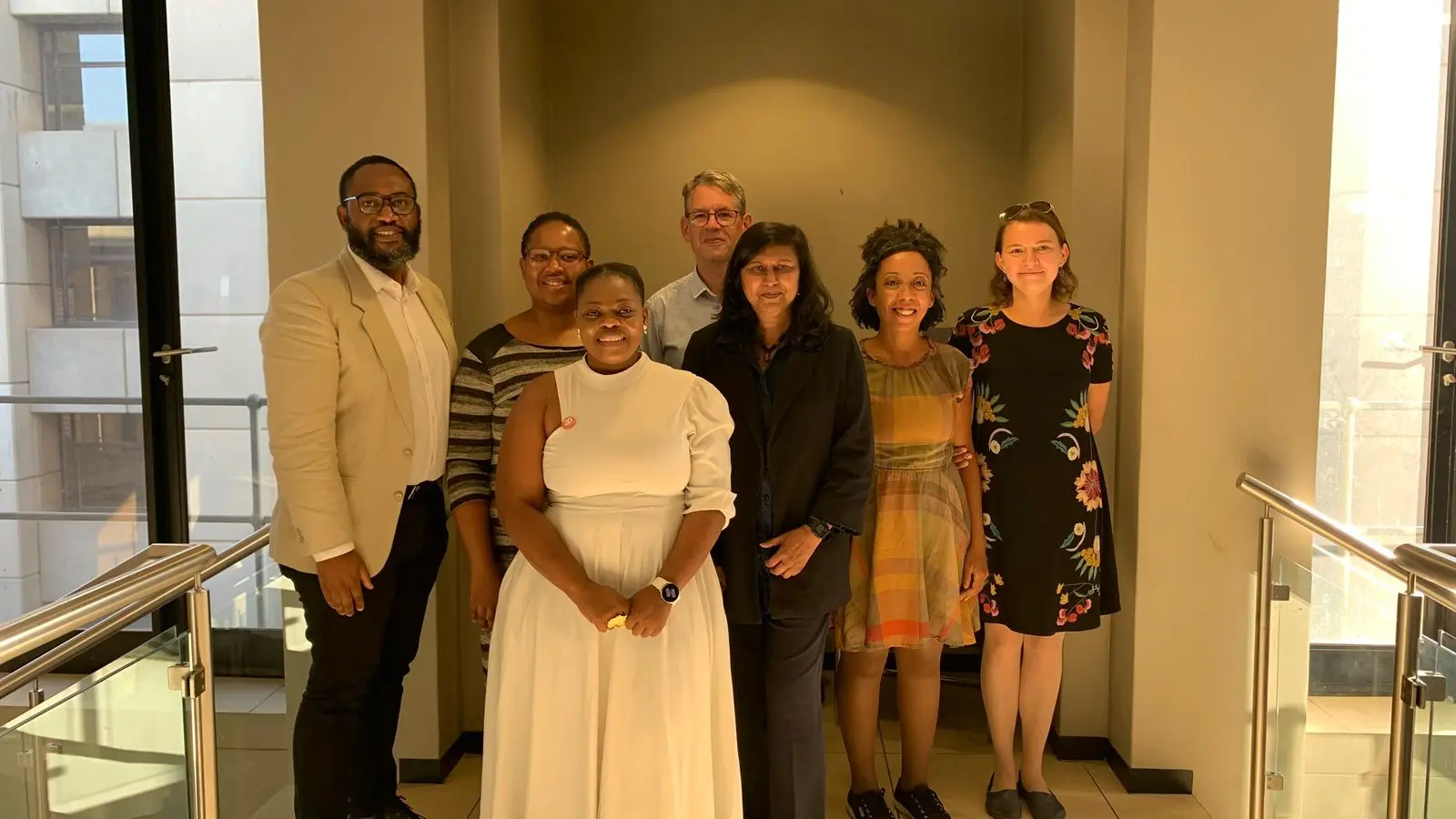
Finally, an exciting outcome of the visit was the invitation, extended to me and two colleagues, to present the COST Action initiative at the University of Johannesburg organised by Dr Anthony Kaziboni and Dr Sinethemba Sidloyi. This engagement in a form of an open dialogue allowed us to share the goals and activities of the COST network and increase our outreach. The discussions at the University of Johannesburg revealed significant interest not only in collaboration with the SUSTAIN network but also in exploring future project proposals. Engaging with colleagues from South Africa underscored the importance of fostering partnerships that bridge continents and bring diverse expertise together to address shared global challenges.